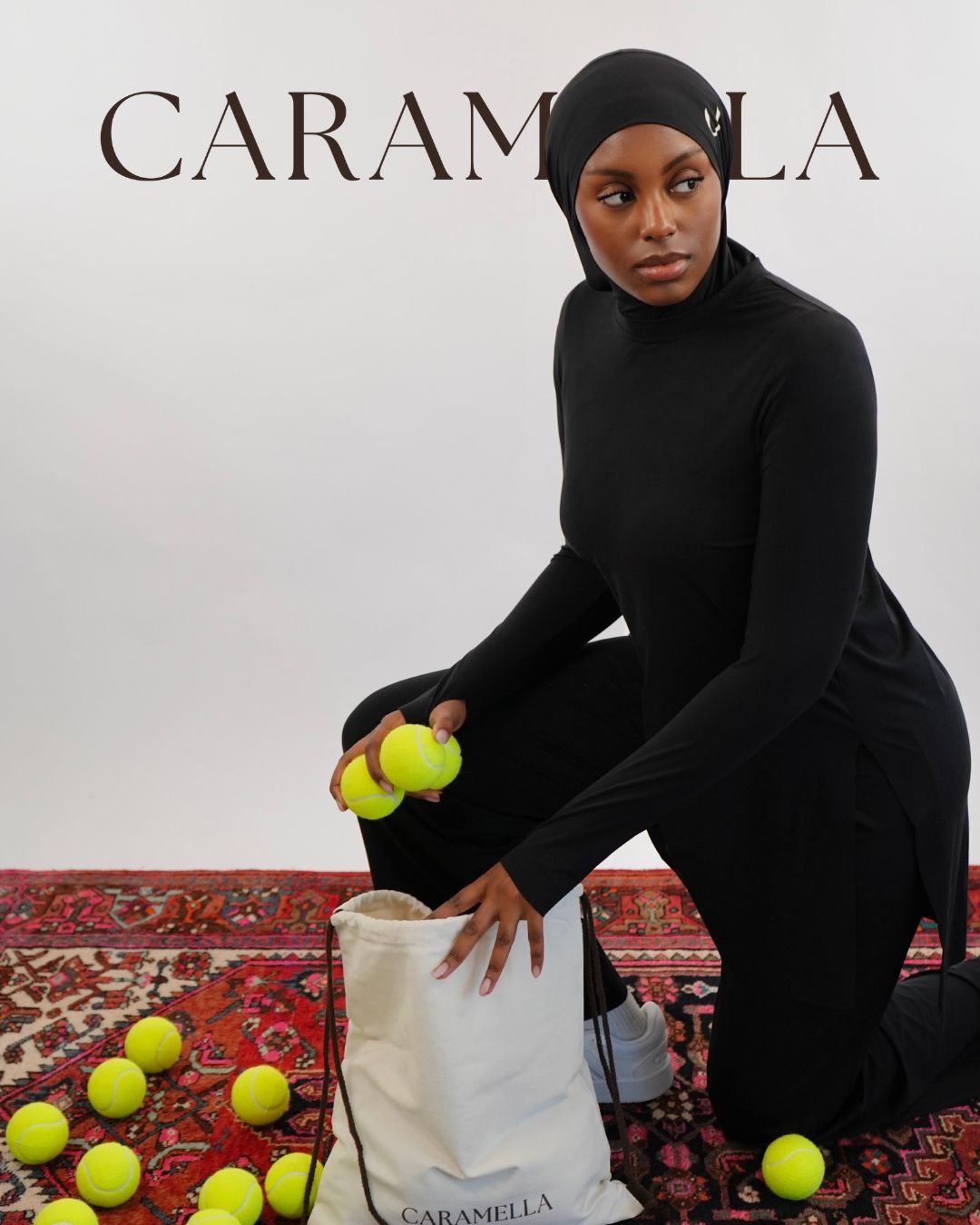
Article: Made in Germany – why quality and sustainability matter in a sport hijab
Made in Germany – why quality and sustainability matter in a sport hijab
Back to the Main Guide:
Sport Hijab – The Complete Guide for Active Muslim Women
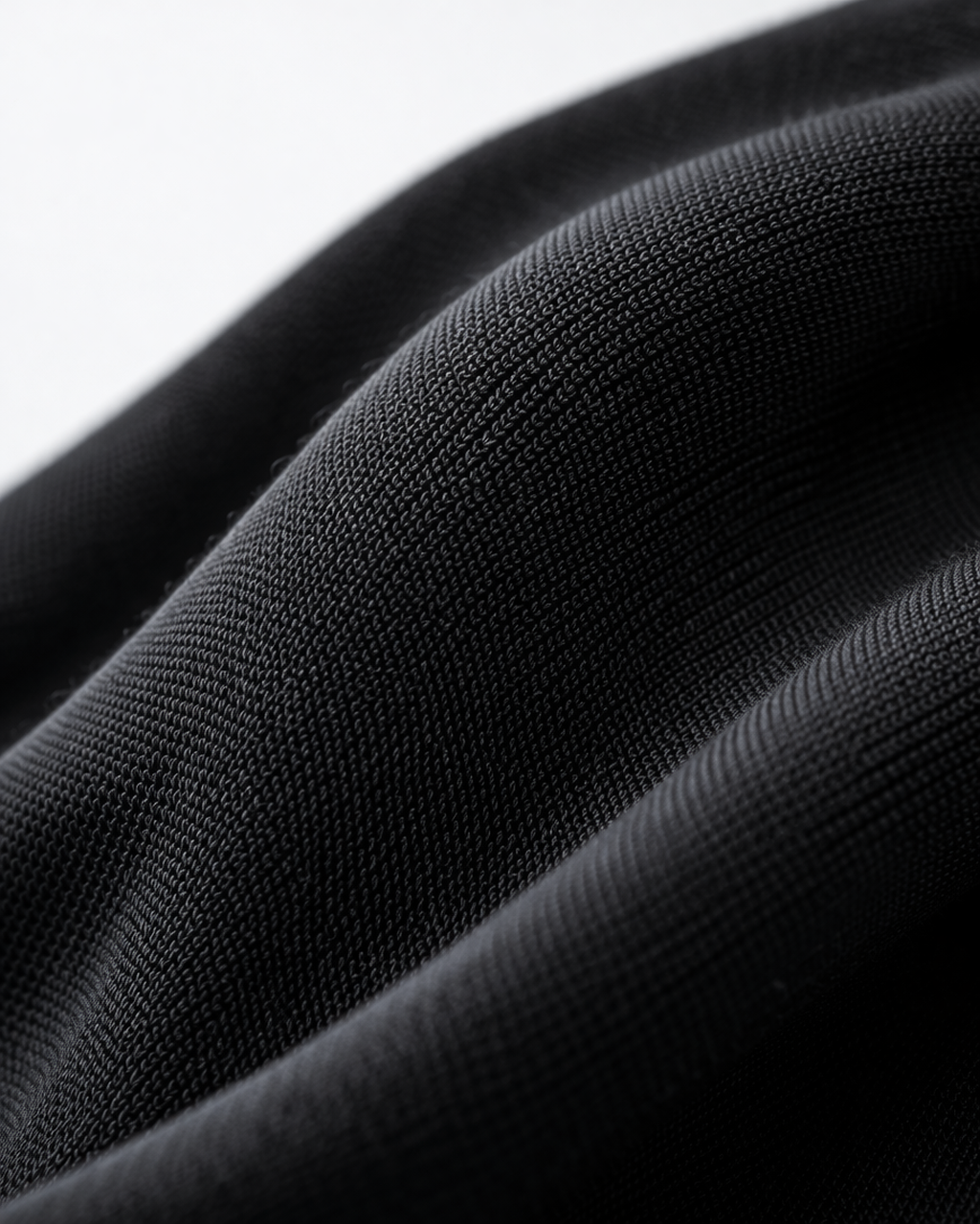
!["Sport Hijab Production Made in Germany – sustainable manufacturing"]](https://cdn.shopify.com/s/files/1/0687/8468/5373/files/chatgpt_Tencel_zoom_Picture.png?v=1774723584)
When buying a sport hijab, you're not only deciding on fit and material – but also on how and where your product was made. “Made in Germany” is more than just a label. It stands for quality standards, production conditions, and transparency.
If you're still unsure what to look for when buying, you can find all criteria here:
Buying a Sport Hijab – What to Look for in Material, Fit and Quality
What does “Made in Germany” really mean?
The term is not fully legally protected, but in Germany it is associated with clear expectations:
-
Manufacturing or essential production steps take place in Germany
-
Quality controls follow German standards
-
Working conditions are subject to German labor laws
This specifically means: more control, more transparency, and generally higher product quality.
Material and origin: an important connection
The quality of a sport hijab starts with the material – but it doesn’t end there. Processing and supply chains also play a crucial role.
If you want to understand which materials are truly suitable, you can find all details here:
Breathable & sweat-wicking – which materials are truly suitable for a sport hijab
Sustainability: more than a buzzword
Sustainability in textiles includes multiple layers:
Raw materials
→ e.g. TENCEL™ made from wood fibers (biodegradable)
Production
→ energy-efficient processes, closed-loop systems
Transport
→ shorter supply chains reduce CO₂ emissions
Especially compared to globally produced fast fashion, the difference becomes very clear.
Why production in Germany matters
Short supply chains
→ fewer transportation routes, lower CO₂ emissions
Transparency
→ traceable production processes
Working conditions
→ compliance with labor protection standards and fair wages
Quality control
→ higher standards, less waste
This directly impacts the longevity of a product.
How quality shows in everyday use
A high-quality sport hijab proves its quality not only during the first wear, but over time:
-
maintains its shape after many washes
-
loses less color
-
develops less pilling
-
maintains its functionality (e.g. moisture-wicking)
If you want to see how these quality differences are implemented in a real product, here’s one example:
Fitjab – the sport hijab without pins for maximum freedom of movement
Sustainable materials at a glance
TENCEL™ Lyocell
→ made from wood fibers, closed-loop production
Recycled polyester (rPET)
→ made from PET bottles, lower energy consumption
Nylon-Spandex
→ durable, flexible, suitable for intensive use
If you want to understand what different sports require from your material, you can find an overview here:
Sport hijab for yoga, cardio and strength training – what you need for every sport
Price vs. quality
Production in Germany is more expensive than manufacturing in traditional production countries. This is reflected in the price – but also in the product’s lifespan.
A cheaper hijab may wear out faster, while a high-quality product is often the better long-term investment.
Frequently Asked Questions (FAQ)
Is “Made in Germany” really more sustainable?
In many cases yes – due to stricter environmental and labor standards as well as shorter supply chains.
Why are these products more expensive?
Higher wages, stricter standards, and smaller production volumes increase costs.
Is the higher price worth it?
For regular use, usually yes – thanks to longer durability and better performance.
If you're ready to invest in quality and sustainability, here’s a concrete example:
Fitjab – the sport hijab without pins for maximum freedom of movement
Discover Fitjab – Made in Germany, sustainable, functional. bycaramella.com