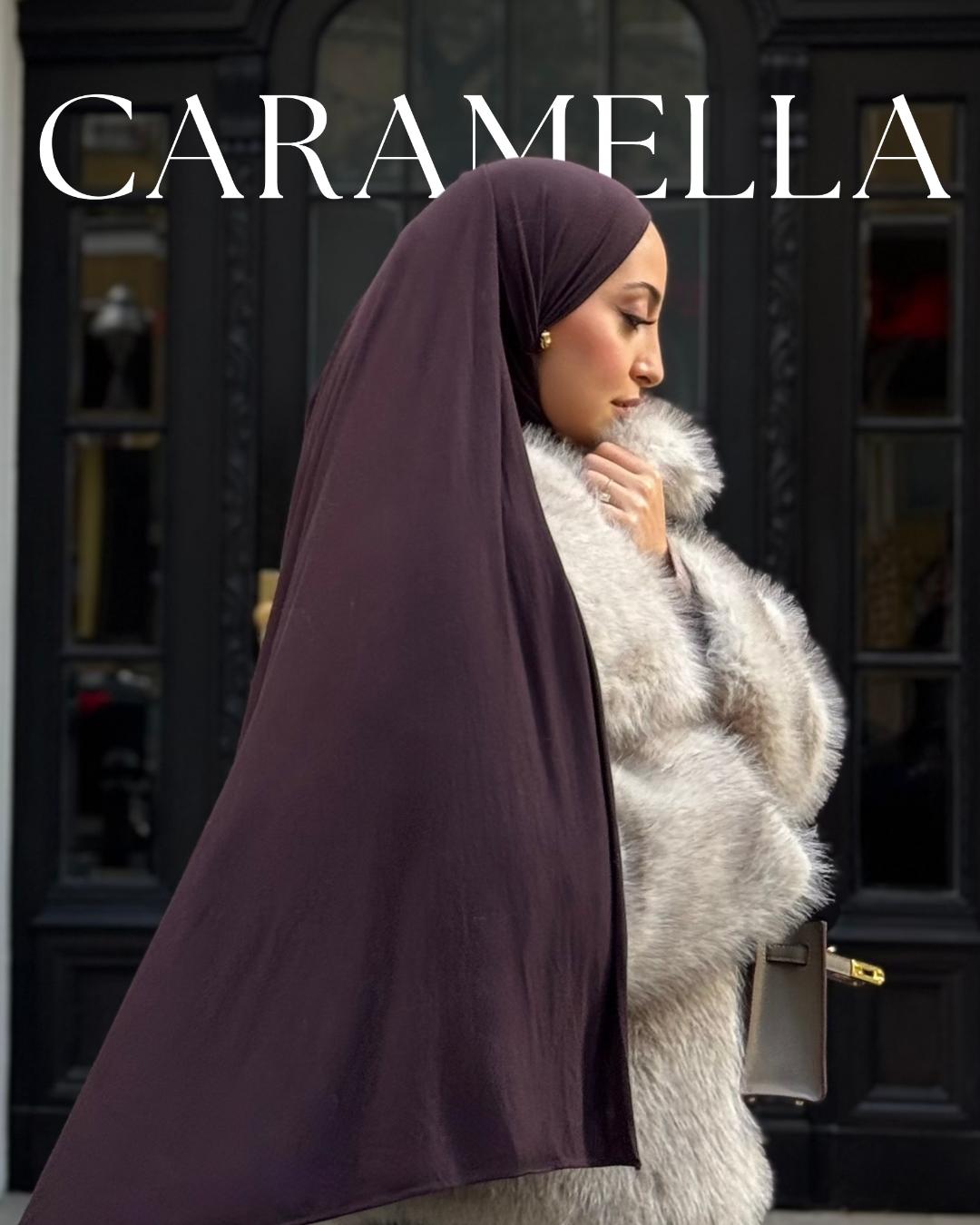

Winter Made in Germany: Why regional production strengthens your hijab everyday life in December
Do you know that feeling when everything has to move faster in December – university, work, appointments – and you simply need your basics to work? That's exactly when you see how valuable it is when a hijab not only drapes beautifully but is also reliably made. Winter means cold, wind, friction with jackets, and frequent temperature changes. And it's precisely during this time of year that how and where a hijab is made makes a difference. ❄️
What's the problem?
Hijabs have to withstand more wear and tear in winter: hoods, thick scarves, and zippers create a lot of friction. If the construction isn't robust, loose threads, pilling, or frayed edges appear more quickly. The fit often suffers as well, since fabrics become stiffer in the cold or the seams aren't neatly finished. At the same time, December is a month when many hijabs need to be washed more frequently – due to rain, snow, dry indoor heating, or physical activity.
There's another point to consider: In winter, you need reliable products. Nobody has time for scarves that lose their shape after just a few weeks or constantly need readjusting. This is precisely where the strength of regional production shines: short supply chains, precise quality controls, and fabrics designed for durability.
Solution Toolkit – How Made in Germany helps you in winter
1. Stable construction for cold months
Regional production means shorter distances between design, manufacturing, and quality control. The result: stronger seams, precise edges, and fabrics that remain flexible even in cold weather. This stability is crucial, especially in winter when your hijab is subject to more friction.
2. High-quality fabrics that retain their shape and drape.
Jersey remains soft, stretchy, and opaque despite temperature changes. Crinkle fabric drapes beautifully, is breathable, and retains its shape even on long days. Both fabrics perform best when carefully processed – something that is more closely monitored in regional production.
3. Bones as a reliable winter buddy
Bones – whether tubular or bandaged – are also a product where workmanship is crucial. Breathable materials, a non-slip structure, and robust seams ensure that they don't slip in winter and remain warm enough without being cumbersome.
4. Reduced wear and tear due to high-quality manufacturing
Made in Germany stands for high-quality workmanship and durable materials. For you, that means less stretching, fewer loose threads, and fewer annoying little things that disrupt your daily routine. Especially in December, when everything seems to be happening faster, durability is a real advantage.
5. Sustainable supply routes – especially important in winter
Short transport routes reduce environmental impact and shorten waiting times. For winter, this means: freshly produced goods without long storage times or transport stresses that could compromise the materials. 🌍
In short
Regional production ensures durable, stable and comfortable hijabs in winter – perfect for cold days, long routines and quick transitions between outdoors and indoors.
#ModestFashion
#HijabStyle
#WinterHijab
#Caramellady